
Recipes
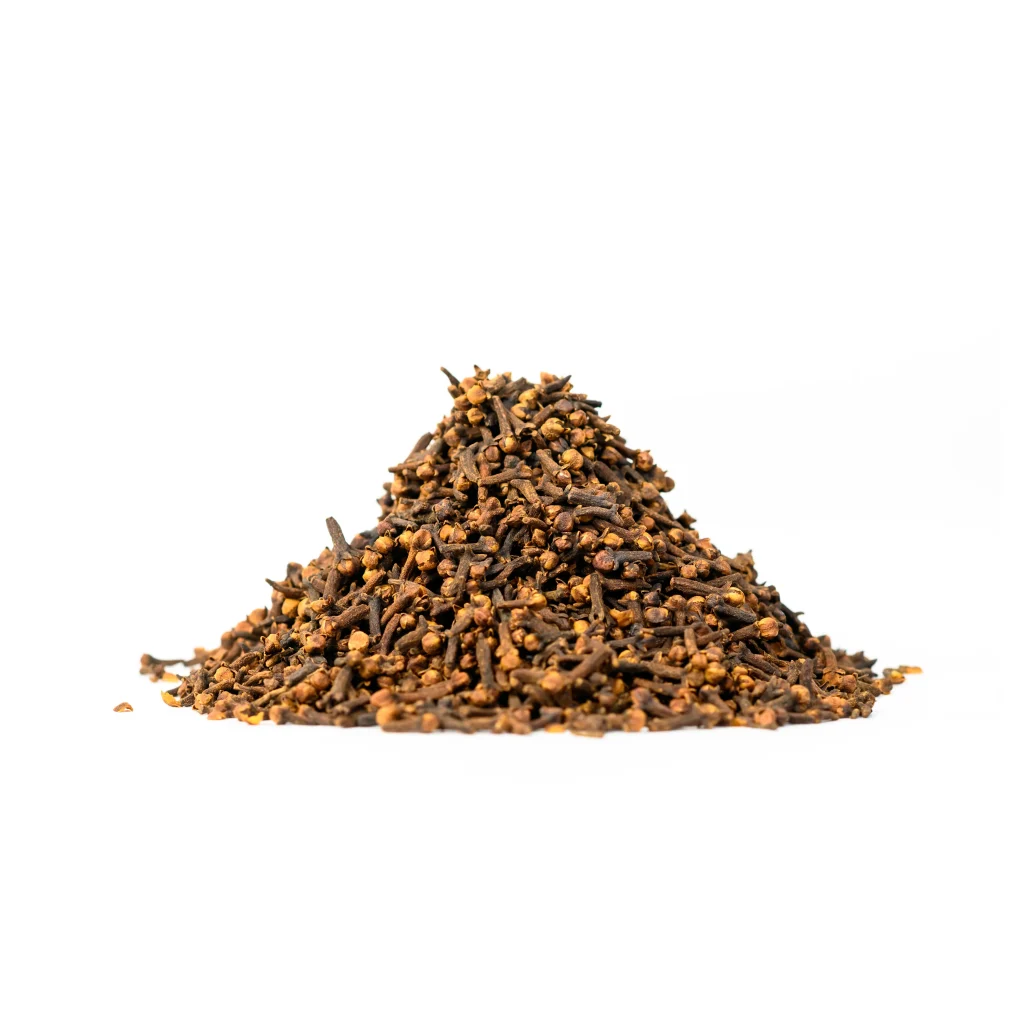
Clove from Madagascar: Benefits and Culinary Uses
Introduction
After vanilla, clove is one of Madagascar’s flagship spices, thanks to volcanic soil and a tropical climate that provide ideal growing conditions.
A Bold Aromatic Profile
Malagasy clove stands out for its aromatic intensity: warm, woody notes with a slight bite, driven by a high concentration of eugenol, the compound responsible for its signature scent.
Recognized Benefits
Clove has traditionally been used for its antiseptic and pain-relieving properties, notably applied locally to soothe toothaches. It’s also rich in antioxidants and used as a digestive after meals in many cultures.
Culinary Uses
- Savory cooking: pot-au-feu, marinades, curries, fragrant rice.
- Baking: gingerbread, fruit compotes, mulled wine.
- Infusions: paired with cinnamon and ginger for a digestive tea.
How to Store It Properly
Keep cloves whole rather than ground — they retain their aroma far longer that way. An airtight container, away from light and moisture, allows for 2 to 3 years of storage without significant loss of potency.
Conclusion
Simple to use and remarkably versatile, Madagascar clove deserves a place of honor in any kitchen that loves bold, authentic spices.