
Recipes
Vanilla Grades Explained: A, B, Gourmet — How to Choose
Introduction
In the vanilla trade, terms like « Grade A, » « Grade B, » or « Gourmet » come up constantly, yet their meaning often remains unclear. Here’s what they actually refer to.
Grade A (Gourmet, Prime)
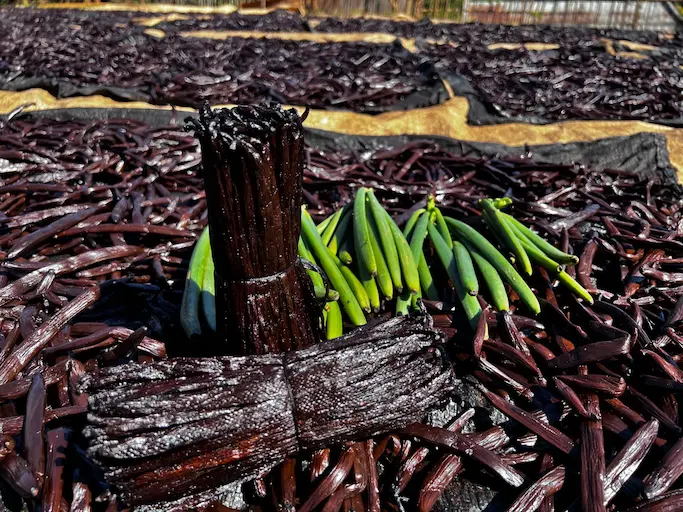
This refers to plump, supple, glossy pods with optimal moisture content (around 30–35%) and high vanillin levels. These pods are meant to be used whole, split and scraped: fine pastry, infusions, presentation. Appearance matters just as much as aroma.
Grade B (Extraction Grade)
Less fleshy, sometimes drier or slightly split, Grade B pods are no less aromatic — their vanillin content can even rival Grade A. They’re mainly intended for making extracts, where appearance doesn’t matter since the pod is infused and then removed.
The Technical Criteria Behind a Grade
- Pod length
- Moisture content
- Vanillin content
- Suppleness and physical integrity
- Average weight per pod
- Fragrance intensity
Which Grade Should You Choose?
For uses where the pod stays visible or whole (crème brûlée, infusions, garnish), go with Grade A. For extraction-only uses (homemade extract, flavoring, flavored rum), Grade B offers excellent value for money.
Conclusion
Grade isn’t a guarantee of absolute aromatic superiority — it’s an indicator of the pod’s intended use. Chosen wisely, it lets you optimize both your results in the kitchen and your budget.